The Step Most Routines Are Missing
Most people cleanse their skin and go straight to moisturizer, then wonder why it still feels dry, rough, or tight. In most cases, the issue isn’t the moisturizer. It’s what’s missing before it.How Skin Becomes Dehydrated
Healthy skin comes down to balance: water and oil working together. When that balance is off, skin can become dehydrated, meaning it lacks water, not oil.Transepidermal water loss, or TEWL, is the natural process of water evaporating from the skin. Overuse of active ingredients like exfoliating acids or retinoids can increase TEWL by disrupting the barrier faster than the skin can recover. Environmental factors can also increase TEWL. Cold weather, indoor heating, air conditioning, wind, and sun exposure can all make it harder for the skin to retain hydration. In most cases, dehydration is the result of multiple factors acting at once.What Dehydration Looks and Feels Like
When skin is dehydrated, it can feel “off” in ways people don’t always connect to hydration. Tightness is one of the most common signs, especially around the mouth. That pulling sensation when you talk, smile, or open your mouth often signals a lack of water.

Dehydration can make texture more noticeable, fine lines more pronounced, and tone appear uneven. Skin may look crepey when lightly stretched and feel itchy or easily irritated. It can look dull or flat instead of smooth and reflective, though dehydration can also make skin appear tight and shiny. It can contribute to many unwanted skin conditions, ranging from rough, thick, and congested to thin, fragile, and papery.

Dehydration can look different depending on skin tone. In lighter skin tones, it may show up as increased redness or a more inflamed appearance. In deeper skin tones, it may show up as darkening or uneven tone, particularly around the mouth.

In many cases, this is less about pigment and more about hydration. These changes often don’t respond well to aggressive treatments, but they usually improve when the skin is properly supported with hydration.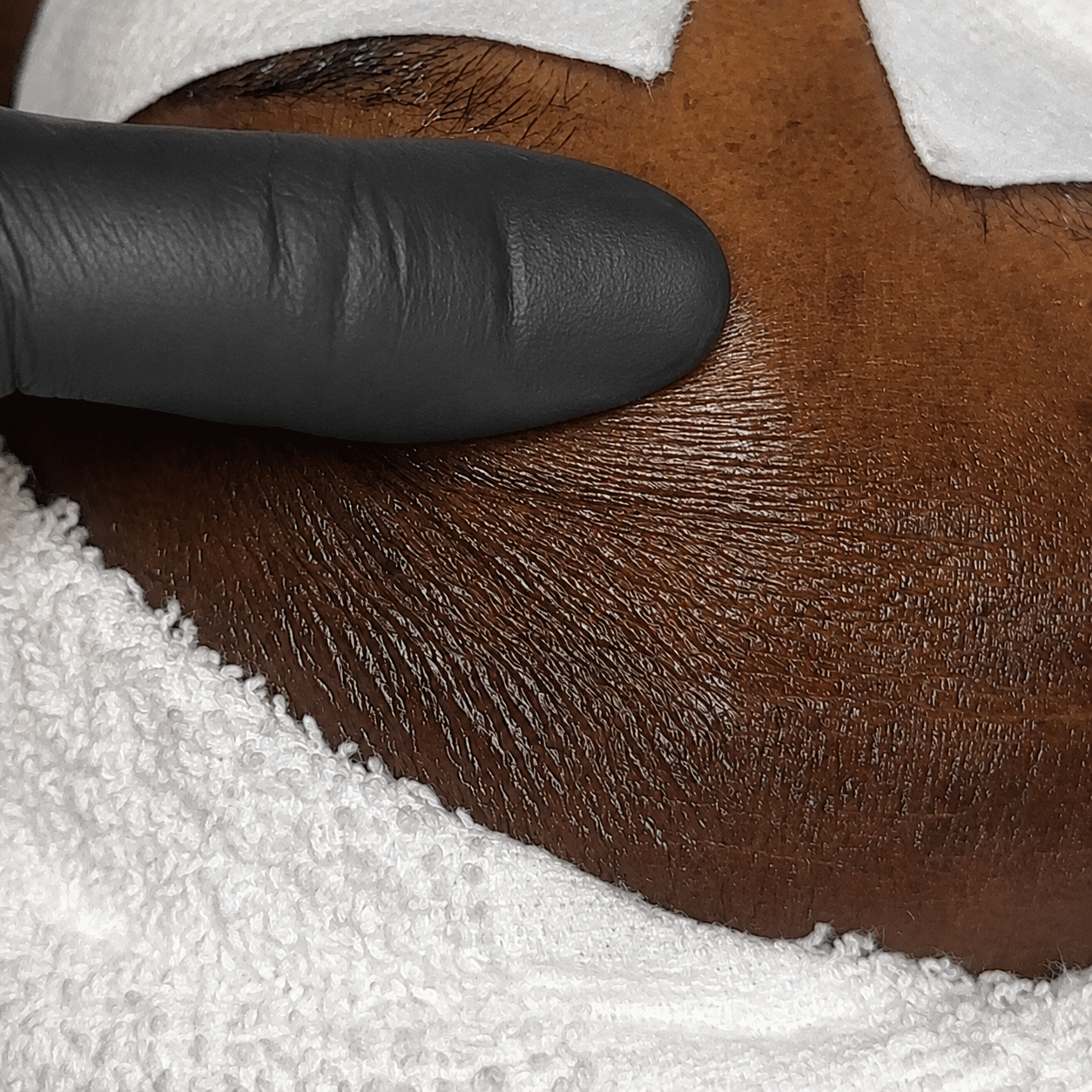
Crepey texture and fine dehydration lines can become more visible when the skin is gently stretched. This often improves with hydration-focused treatments, but lasting change depends on consistent water-based hydration and barrier support at home.
Hydration Affects How Your Skin Functions
Hydration doesn’t just affect how skin looks. It directly affects how it functions. One clear example is desquamation, the natural process of shedding dead skin cells from the surface.

When skin is dehydrated, this process slows. Dead skin cells cling to the surface longer than they should, contributing to roughness, congestion, and uneven texture. When hydration is restored, skin tends to soften, and that buildup releases more easily. Properly hydrated skin also tends to look smoother because water helps skin reflect light more evenly, creating a healthier, more balanced appearance.

Hydration is especially important for oily and acne-prone skin. It is often skipped by people who feel oily or are breakout-prone because there is a common belief that a tight, dry feeling means skin is cleaner, or that oil is inherently dirty and causes breakouts. In reality, tightness is a sign the skin has been stripped beyond what it can sustain.

When skin is repeatedly depleted, it can produce more oil to compensate. The combination of increased oil production, surface tightness from dehydration, and retained dead skin cells creates the perfect environment for acne to worsen.

Using products that leave the skin feeling hydrated and flexible can be difficult to adjust to, especially after years of aggressive soaps and acne treatments that keep the skin feeling tight and stripped. Proper hydration is often mistaken for “greasiness,” but with consistency, the changes in the skin make it clear that surface tightness isn’t a good thing, and it’s a feeling most people ultimately don’t want to go back to.
Hydration is frequently overlooked in favor of more aggressive treatments, but it’s one of the most foundational ways to support how skin looks, feels, and functions.When Your Routine Is Treating the Wrong Problem
In the treatment room, I see a consistent pattern: people use a cleanser that’s more aggressive than necessary, skip hydration, and then try to compensate with heavier products or exfoliating treatments.

Most people rely on moisturizer to ease dryness, but moisturizer doesn’t create hydration on its own. Its role is to support the barrier and help the skin hold onto water that’s already present. If you cleanse and go straight to moisturizer, there isn’t much for it to work with. That’s why skin can still feel dry, tight, or flaky—even when you’re using a quality product.

People then turn to exfoliation to address the flakiness or rough texture caused by dehydration. They may experience temporary relief, only for the condition to gradually worsen as the skin becomes more reactive and sensitive. Exfoliation is often not the first step when skin feels dry, rough, tight, or unbalanced. In many cases, hydration needs to come first so the skin can function optimally before more active treatment products are introduced.
The Missing Step: Water-Based Hydration
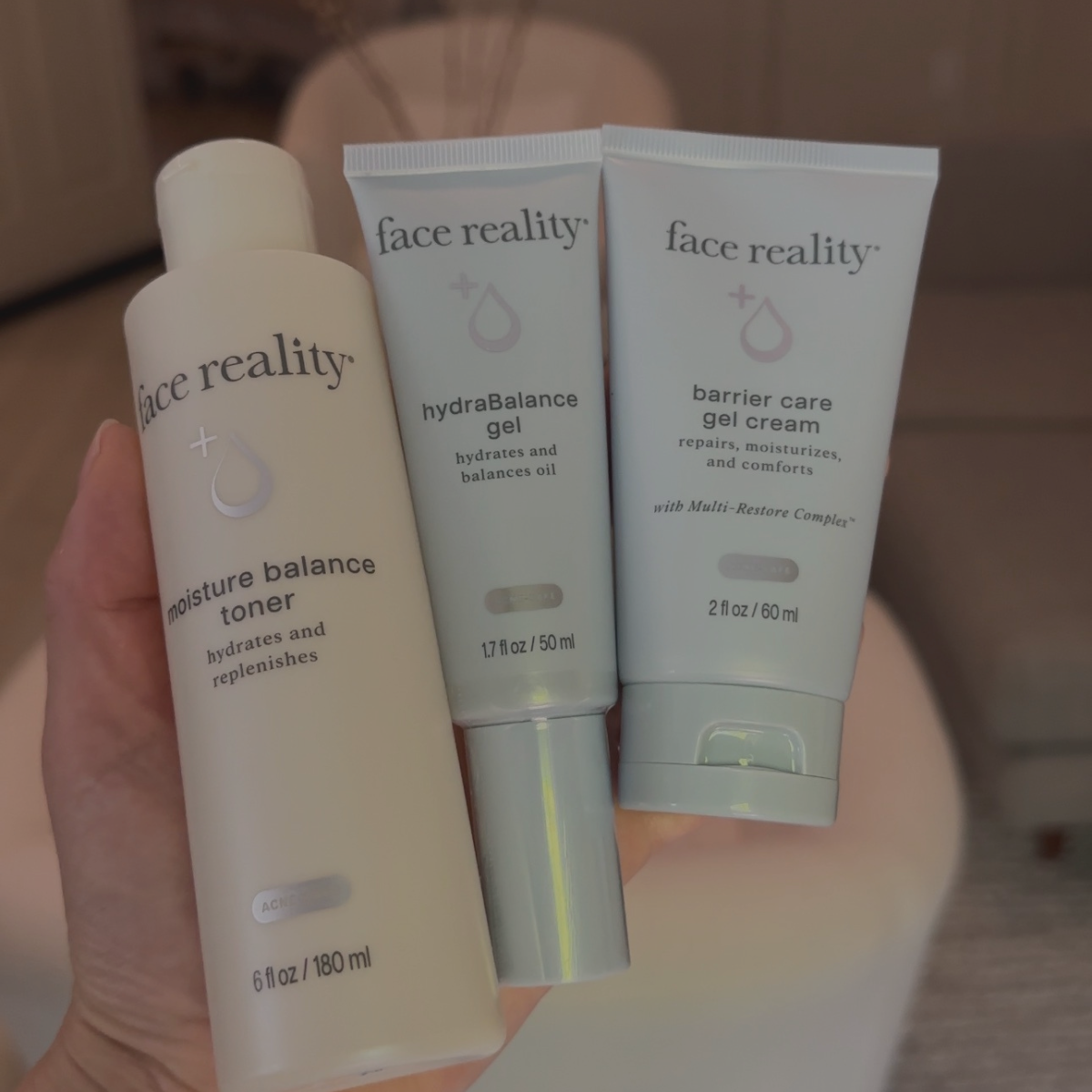
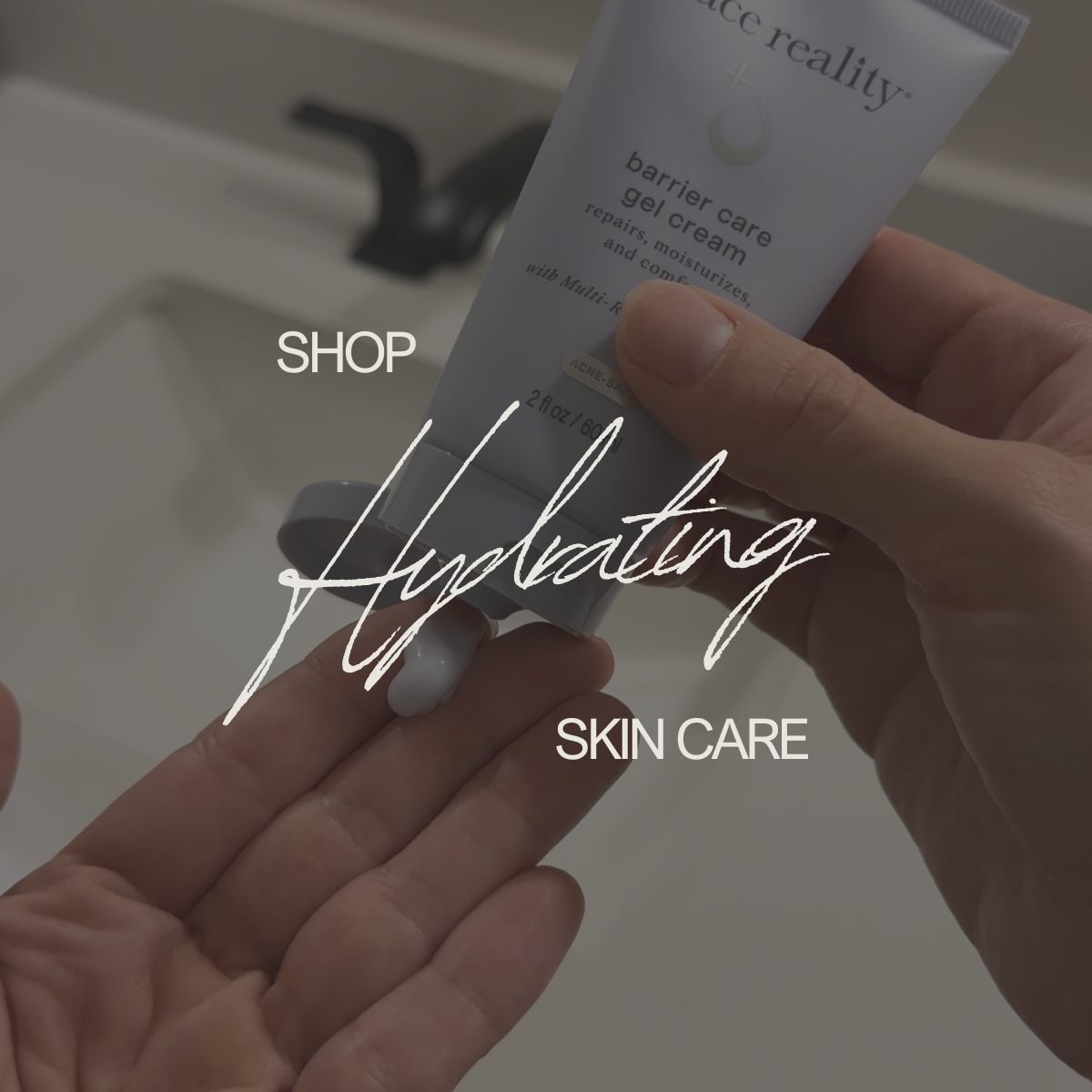
After cleansing, the skin needs water-based support before anything heavier goes on top. This can come from a hydrating toner, an essence, or a water-based serum. For many people, a true hydrating toner is the most commonly missed starting point because it helps replenish water before moisturizer is applied.

When looking for hydrating products, the goal is to find ingredients that help attract, bind, and support water in the skin. Ingredients like glycerin, panthenol, sodium PCA, hyaluronic acid, beta-glucan, and aloe can all be useful in hydrating formulas. The exact formula still matters, but these are the types of ingredients commonly found in products designed to support water balance rather than exfoliate or strip the skin.

From there, the rest of the routine depends on the skin. Combination or oily skin may only need a lightweight hydrating toner before moisturizer. Normal, dry, or depleted skin may need both a hydrating toner and a hydrating serum.

A barrier-supportive moisturizer then helps seal in that hydration and support the skin’s ability to function well.

A simple daytime routine may look like this: cleanse, hydrate, moisturize if needed, then apply sunscreen. At night, repeat without sunscreen.
You May Not Need a New Routine
Some people notice less tightness almost immediately once hydration is added back in. Texture, congestion, dullness, and uneven tone usually take longer because those changes depend on the skin barrier, shedding process, and consistency over time.

With this foundation in place, many common skin concerns begin to improve on their own. If they do not, that is when it makes sense to introduce more targeted treatment products. Without this foundation, those treatments can create more problems than they solve.

If your routine currently goes from cleanser straight to moisturizer, adding a hydrating step in between is often enough to change how your skin looks and feels.

You don’t need to overhaul your routine. In most cases, you just need the missing piece. It’s a small shift, but it can change how your skin behaves overall.
Get Support
If your skin has been feeling tight, dry, rough, or depleted, this is a good place to start. A hydration-supportive home routine can help the skin feel more comfortable day to day, while my hydration-focused facials, Soothe and the Warm Honey Facial, offer a gentle reset when the skin needs professional replenishment.